
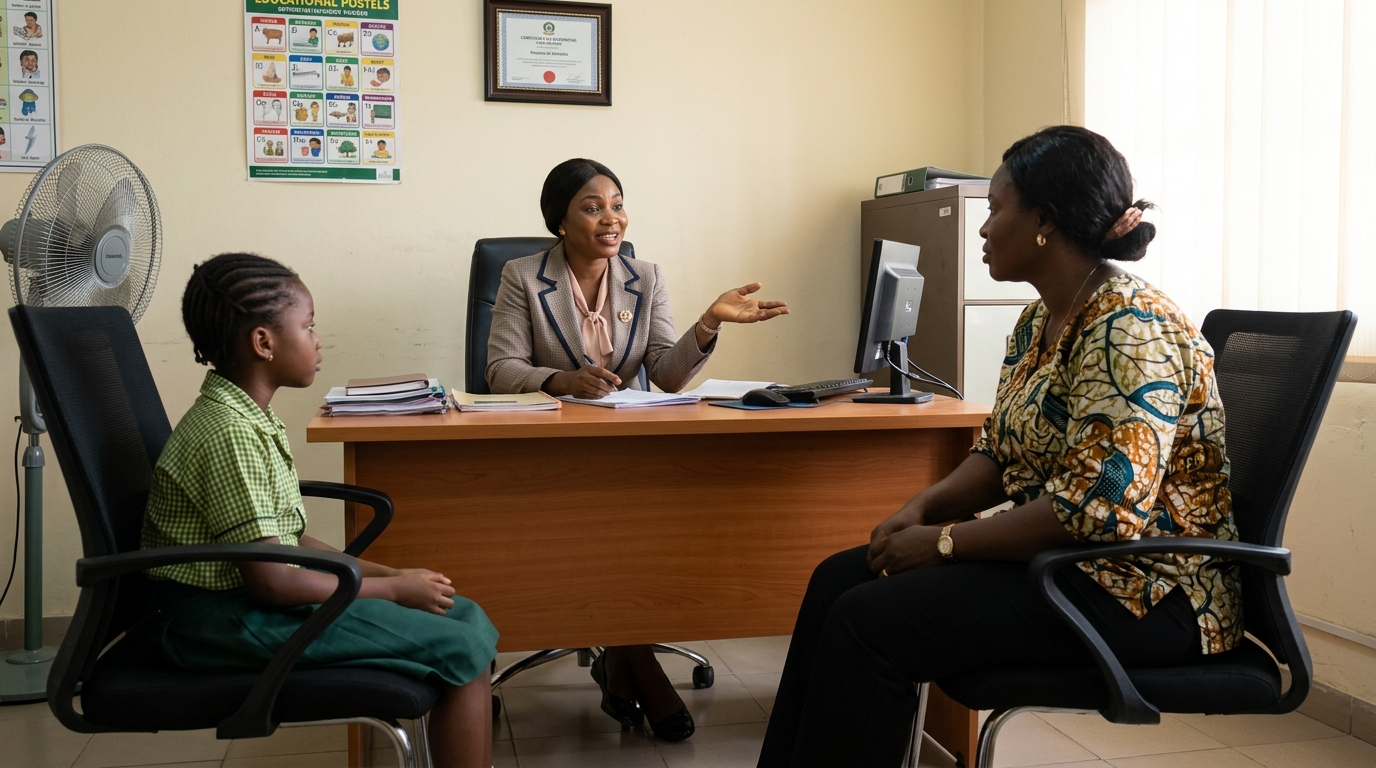
A child spends hours at school every day, but parents cannot always see what happens behind the classroom doors. That is why communication between parents and teachers matters.
Education works best when parents and teachers work as a team. Teachers understand how a child behaves, learns and interacts in the classroom, while parents know the child's personality, habits and experiences at home. When both sides share information, they can better support the child's academic and personal development.
🏫 Teachers See What Parents May Not See
A child may behave differently at home and at school. A parent might notice that the child is quiet or withdrawn at home, while a teacher may notice difficulties with concentration, friendships or classroom participation.
Regular communication allows parents to understand these changes early instead of waiting until examination results reveal a problem.
📚 It Helps Identify Academic Challenges Early
Not every child will openly say, “I don't understand this subject.” Some may simply stop doing their homework, become frustrated or lose interest in school.
Teachers can help parents identify areas where a child is struggling and suggest practical ways to provide support at home. Early intervention can prevent a small challenge from becoming a major academic problem.
💬 Parents Can Share Important Information
Communication should not only happen when a child is performing poorly. Parents should also tell teachers about important changes or circumstances that may affect the child's behaviour, concentration or learning.
When teachers have relevant information, they can respond with greater understanding and provide appropriate support.
🌟 It Builds Confidence in Children
Children benefit when they know that their parents and teachers are working together. Instead of seeing school and home as separate worlds, they understand that the adults around them genuinely care about their progress.
Praise from both parents and teachers can also encourage children to work harder and develop confidence in their abilities.
🤝 It Creates a Stronger School Community
Good parent-teacher communication builds trust. It encourages parents to participate in school activities, understand school expectations and contribute positively to their children's education.
It also gives teachers valuable insight into their students, helping them provide more personalised guidance where possible.
📱 Communication Doesn't Have to Be Complicated
Parents don't have to wait for a formal parent-teacher meeting before communicating. A brief conversation after school, a scheduled meeting, a school communication platform or a respectful message can make a difference.
However, communication should always be respectful, constructive and focused on the child's best interests. Parents and teachers may not always agree, but listening to each other creates room for better solutions.
The Child Comes First
A child's success should never be the responsibility of the school alone or the parents alone. It is a shared responsibility.
When parents communicate regularly with teachers, they gain a clearer understanding of their child's progress, challenges, strengths and opportunities for improvement.
So, don't wait until there is a problem before you call the teacher.
Ask questions. Share observations. Listen. Stay involved.
Because when parents and teachers work together, children are given something every learner deserves: a stronger support system for success.
No comments yet. Be the first to share your thoughts.
Comments 0
Share your thoughts about this story.